







Search Results for: Indian milk tea viral meme
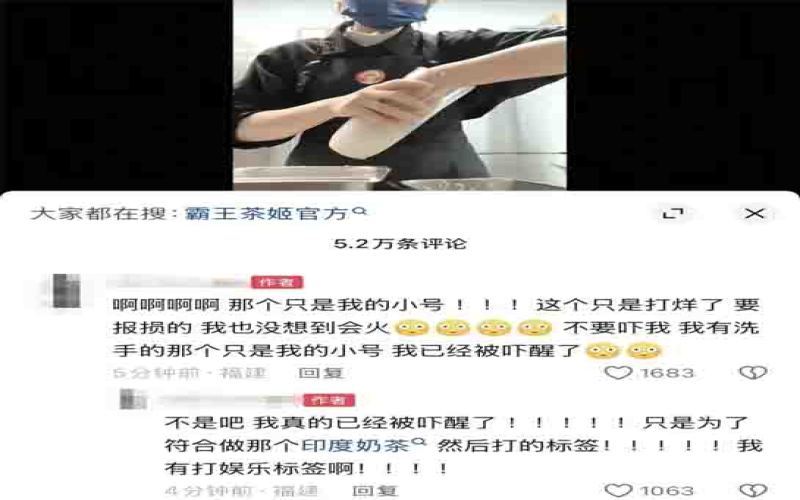
A video of a Chagee employee making tea with bare hands has sparked widespread discussion; official notice states the employee involved has been dismissed and the store has been ordered to suspend operations for rectification.
Recently, a video of a Chagee employee handling tea drinks with bare hands spread rapidly online, sparking widespread public concern about food safety issues at chain tea beverage brands. In the video, the employee, without wearing gloves, directly grabbed ice cubes and lemons and reached into a shaker cup to pound and stir the drink, prompting netizens to exclaim they were "disgusted." Although the poster explained that the footage was filmed after closing hours using damaged inventory to mimic the "Indian milk tea" meme, public opinion did not subside. Subsequently, netizens discovered that employees of several other brands, including Luckin Coffee, Yidian Dian, and Goodme, had also posted similar meme videos. Chagee officially issued an urgent investigation notice, imposing an indefinite suspension and rectification on the store involved, dismissing the employee involved, and demoting managerial personnel. This article will review the sequence of events and responses from all parties, and explore the boundary between food safety and entertainment-oriented marketing in the tea beverage industry. [more…]
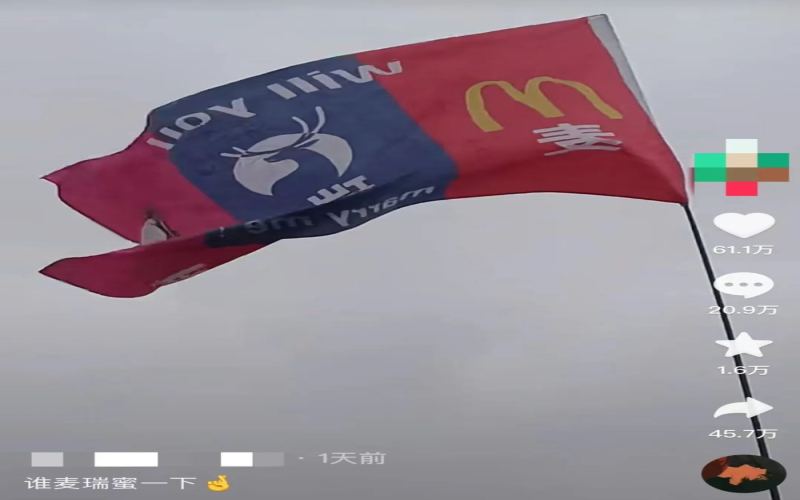
The new meme "Mai Rui Mi," combining McDonald's, Luckin, and Mixue Bingcheng, goes viral, sparking heated discussion about free marketing.
Recently, an amusing new meme has popped up online—by combining the names of three brands, McDonald's, Luckin Coffee, and Mixue Bingcheng, you get "Mai Rui Mi" (marry me). This pun quickly spread across social media, sparking plenty of discussion and remixes among netizens. For coffee and tea drink enthusiasts, such a combination is not only fun but also brings to mind how frequently these brands appear in daily consumption. So, how exactly did this meme take off? What kind of brand marketing phenomenon does it reflect? This article takes you behind the scenes, and don't forget to follow our daily specialty coffee culture content. [more…]
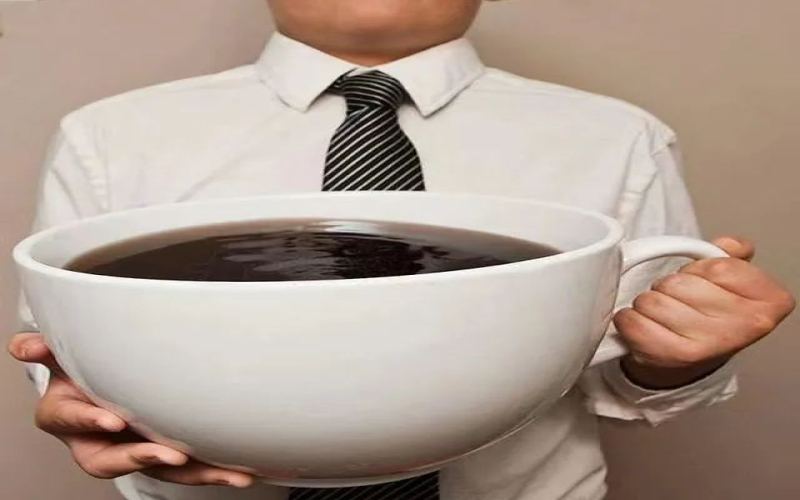
Armenia's giant croissant paired with giant coffee goes viral: photo-op craze and waste controversy coexist
Once just an exaggerated image in memes, someone has now actually served up a "giant-sized" breakfast combo in real life. A bakery and brunch spot in Armenia called Bakery Yerevan has launched a bucket-sized giant cappuccino and a croissant bigger than a turkey, quickly going viral on Instagram. This XXL croissant comes from renowned French chef Philippe Conticini, available at two London locations for €25 each; at Bakery Yerevan, the giant combo of croissant plus coffee is priced at $158, roughly 1,100 RMB. Although the price is not low, many people still go to check it out. The giant portion delivers maximum visual impact, but it has also sparked online discussion about waste from being unable to finish it all. [more…]
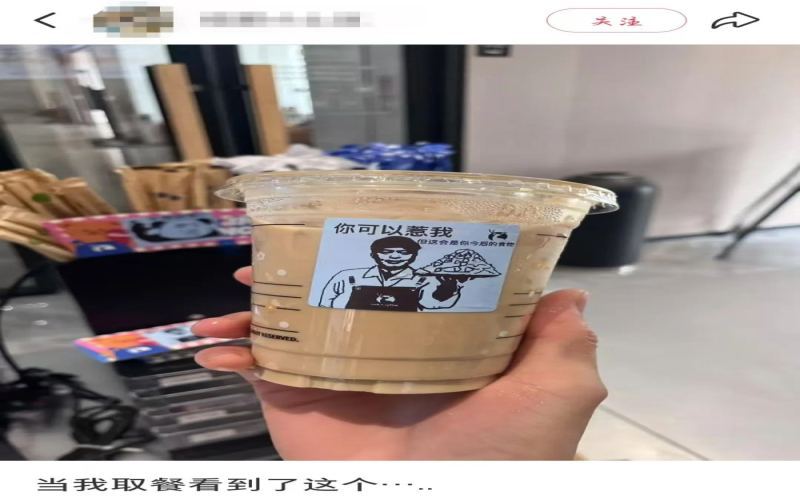
Luckin staff DIY meme labels go viral online, company urgently calls a halt: devices are only for printing order pickup codes
Recently, employees at some Luckin Coffee stores, while debugging new label printing devices, unexpectedly discovered that the machines could connect to mobile phones to print photo album images. They then began printing funny memes and custom designs on takeout cups and aprons, drawing attention and enthusiasm from netizens. However, the good times did not last long. Management quickly issued a ban, requiring the label machines to be used only for printing order codes and expiration date strips, and asked employees to delete related social media posts. This "abstract label" uproar sparked by a cup of coffee not only reveals the potential of personalized service but also reflects the tension between standardized brand management and employee creativity. Front Street Coffee breaks down the whole story for you. [more…]
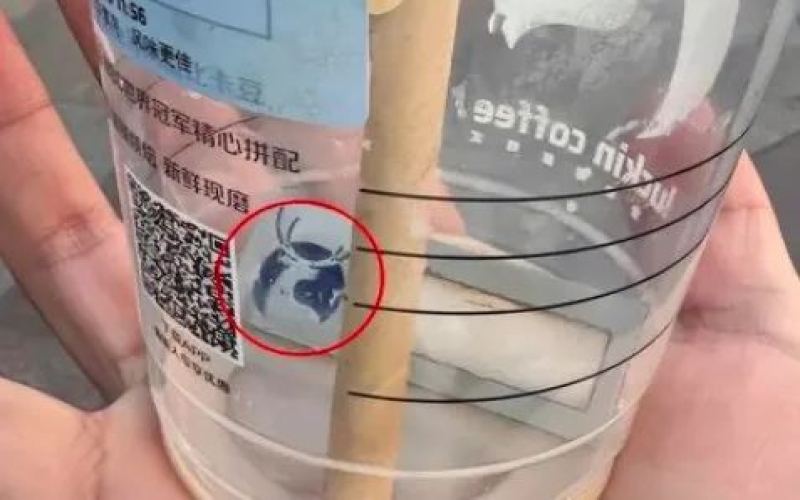
A Grand Showcase of Luckin Employees' New Badges: From Pinyin to Memes, Naming Freedom at Its Peak
Not long ago, the incident of an employee badge being found in a Luckin drink drew public attention to that little silver deer badge for the first time, and recently it has gone viral again—Luckin has required employees to replace their old badges and adopt English names or pinyin, along with unified font specifications, which the QC department will strictly inspect. Some people honestly use pinyin or proper English names, while others have turned their badges into a comedy show: the handmade group, the phonetic group, the weird word group, the undercover group, and the ultimate god-tier group all take turns stepping up. This article compiles these wildly creative badge names, showcasing the humorous daily lives of coffee workers while also reminding stores of the importance of compliant naming. At the end, Front Street Coffee-related recommendations are kept for coffee enthusiasts' reference. [more…]
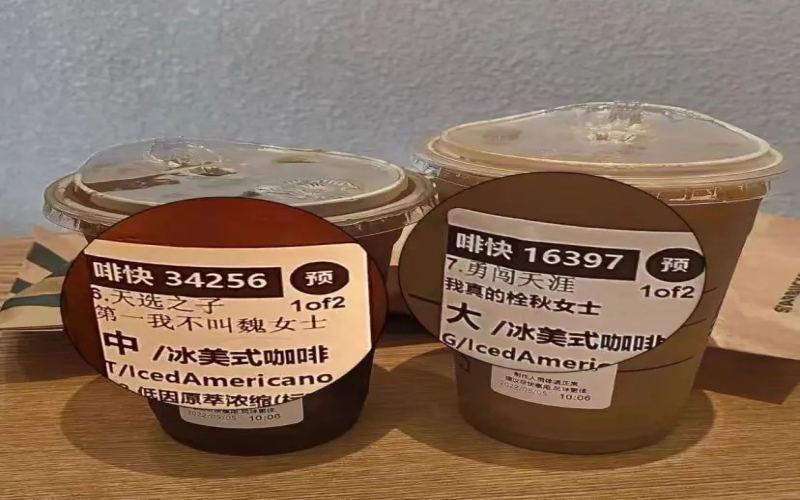
Why has the Starbucks pun gone viral online? The Cantonese version creatively plays with surname marketing
After Starbucks launched its Quick Order customization service last year, netizens began playing with homophonic puns in the name field, and surname puns quickly went viral, trending on Weibo. Over half a year later, this trend reached new heights in Guangdong thanks to Cantonese homophones, with all kinds of quirky yet down-to-earth names leaving people in stitches. This article takes you through the origins and explosive popularity of Starbucks homophone memes, showing how friends in Cantonese-speaking regions turned ordering into a hilarious creative contest, while exploring why these puns strike such a strong chord. [more…]
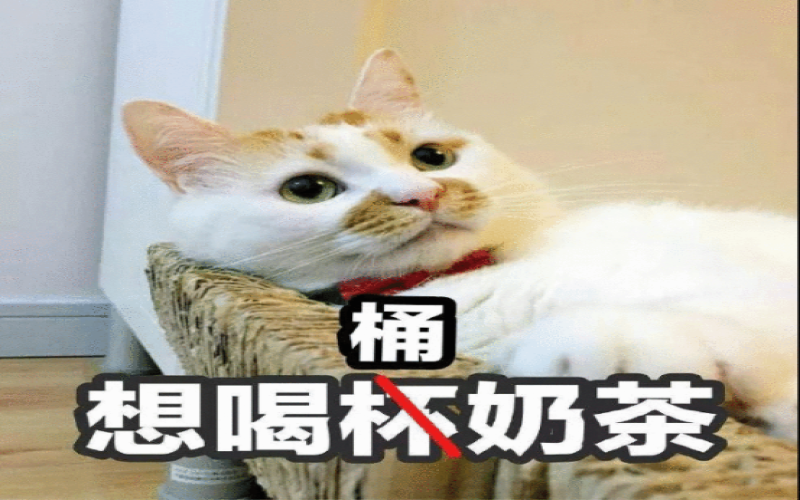
From 5-liter giant buckets to 1-liter portable packs: How bucket tea drinks became this summer's new trend
This summer, bucket-sized fruit teas quietly took over milk tea shop menus. From Heytea and Nayuki to ChaPanda and CoCo, major brands have rolled out 1-liter or even larger bucket drinks, attracting consumers with high cost-performance. Bucket tea drinks are nothing new—back in 2019, they went viral thanks to Jay Chou fan support, and in 2020 Nayuki even launched a 5-liter "mighty bucket." However, issues like the short optimal drinking window and rapid bacterial growth in bucket tea drinks cannot be ignored. From giant buckets to portable packs, what evolution has bucket tea drinks undergone? And why have this summer's bucket fruit teas made a comeback? This article will break it all down for you. [more…]
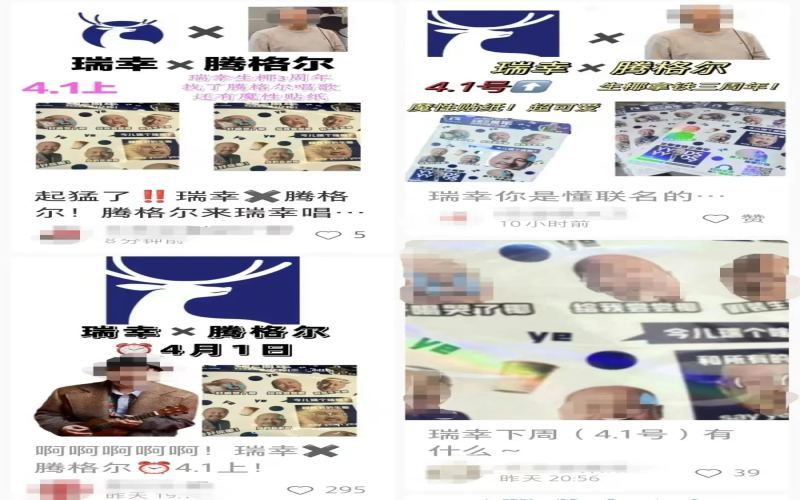
Luckin Coconut Latte's third anniversary collaboration with Tengger: why the meme sticker pack sparked polarized reviews
Luckin Coffee's Raw Coconut Latte is celebrating its third anniversary on the market, and the brand has planned a unique co-branding campaign, partnering unexpectedly with the singer Tengger. Rumors have it that the two will release a custom birthday song and limited-edition emoji stickers, which immediately sparked heated discussions among netizens. Some find the pairing too unexpected, exclaiming, "This can be co-branded too?" Others expressed anticipation, saying they would definitely buy once it's available. However, after actual photos of the real-person emoji stickers were exposed, many fans said they found them hard to accept, considering the sticker style too bizarre, and some even planned to refuse the free gifts when placing orders. Whether this collaboration will continue Luckin's streak of viral hits or fall flat remains to be seen. [more…]
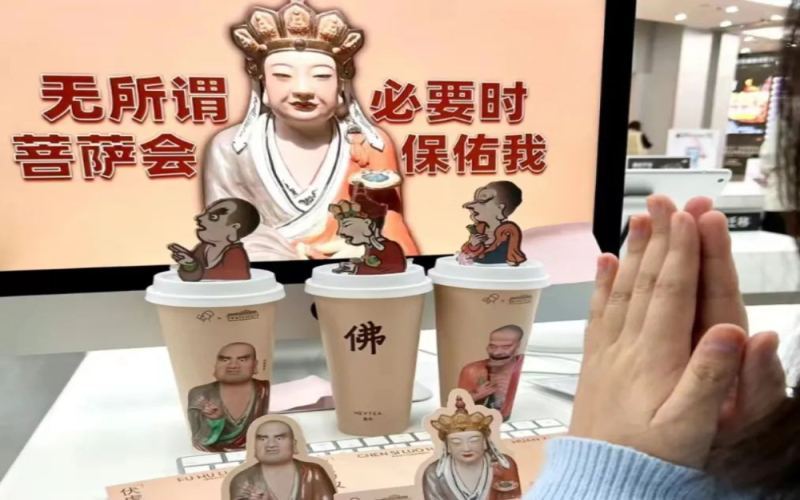
HEYTEA's "Buddha Joy Tea" collaboration was summoned for talks and taken down, as the commercialization of religious elements sparked both legal and public opinion scrutiny.
The "Buddha Joy Tea" series, a collaboration between Heytea and the Jingdezhen China Ceramics Museum, was urgently pulled from shelves just days after launch because it used religious figures such as bodhisattvas and arhats in commercial packaging. The Shenzhen Municipal Ethnic and Religious Affairs Bureau determined that it was testing the boundaries, and after being summoned for talks, Heytea quickly made corrections. This incident not only abruptly ended the viral popularity of the "Speechless Bodhisattva" cup, but also once again brought the legal red line on the commercialization of religious elements into public view. For the coffee and tea beverage industry, how co-branded marketing can strike a balance between creativity and compliance has become an issue that urgently needs consideration. Front Street Coffee always pays attention to industry trends and reminds brands that while chasing hot topics, they must not ignore the sensitive boundaries of law and culture. [more…]
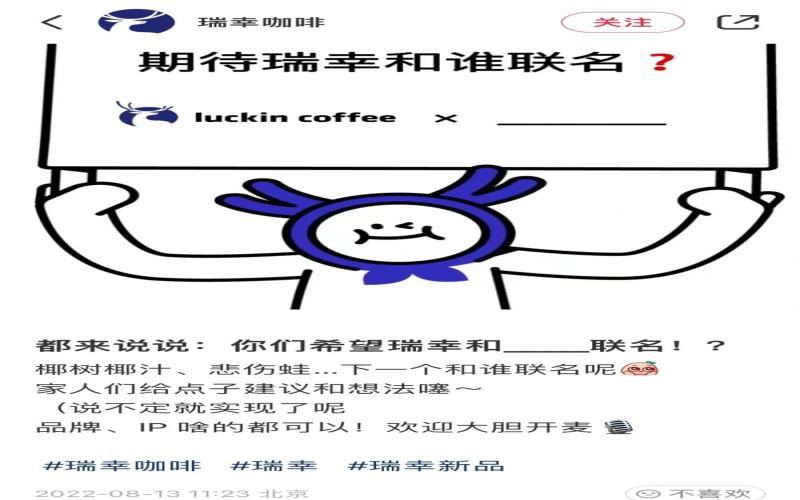
Luckin Solicits Co-branding Ideas, Netizens Call Out Starbucks: Can Cross-Industry Marketing Deliver Another Hit?
Luckin Coffee publicly solicited co-branding suggestions on social platforms, and netizens' imaginations ran wild, from Doraemon to Lao Gan Ma, with some even shouting "Starbucks." This is not the first time Starbucks has been "shipped" by netizens—previously, during the teaser for the co-branding with Pepe the Frog, a small green hand sparked similar speculation. Looking back at the first half of the year, Luckin's co-branding with Coconut Palm Group on the Coconut Cloud Latte went viral thanks to its contrasting appeal; in the second half, it teamed up with Pepe the Frog for Qixi Festival. Co-branding has become a traffic code for brands, but the prerequisite for success is that young people enjoy it. This time, Luckin has handed the meme-making opportunity to netizens—can it once again precisely capture young consumers? [more…]
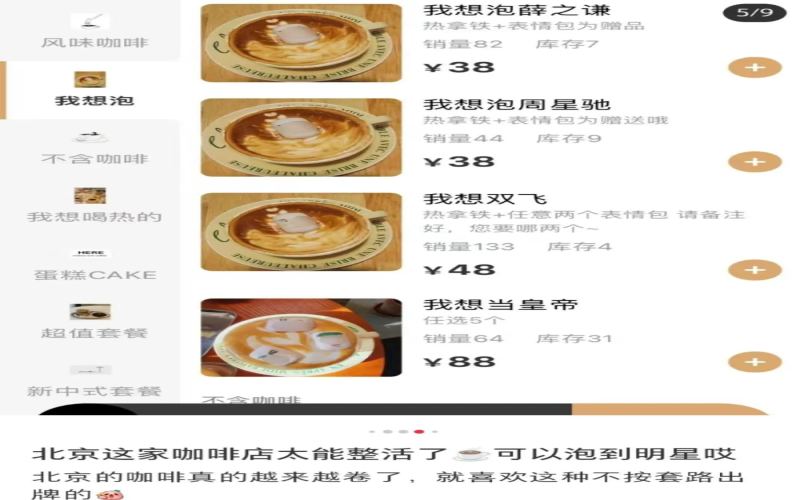
38-yuan latte paired with celebrity-face marshmallows: coffee shop's creative marketing goes viral, portrait rights risk sparks heated debate
Recently, a "I Want to Soak" latte series launched by a coffee shop in Beijing has drawn attention on social media. The series features marshmallows printed with the faces of male celebrities, priced at 38 yuan each, with the option to add more marshmallows for an extra charge, and even offers a 48-yuan two-person option and an 88-yuan five-person option. This novel format has attracted many fans to visit and post about it, but it has also sparked controversy: some consumers find the face-printed marshmallows unappetizing, and more people question whether the shop's use of celebrity likenesses as a promotional selling point without authorization may constitute infringement. Innovation in the coffee industry is worth encouraging, but it must be done within the legal framework. [more…]
How Can Puns Become a Powerful Brand Marketing Tool? An In-Depth Analysis from Heytea's "Duck Fragrance" to Starbucks' Surname Meme
In today's consumer market, homophonic puns are no longer dismissed as a cheap word game; instead, they have become the traffic code for major brands' advertising copy. From Heytea renaming Duck Shit Aroma to Duck Joy Aroma, to Starbucks playing with surname homophones and English double entendres, behind these clever one-character twists lies a deeper logic of strengthening brand memory and closing the distance with consumers. This article deeply dissects these breakout cases, exploring why homophonic puns can dominate the punchlines of all age groups, while reminding brands that playing with puns must be done in moderation, to avoid backfiring due to vulgarity or cheap cleverness. [more…]
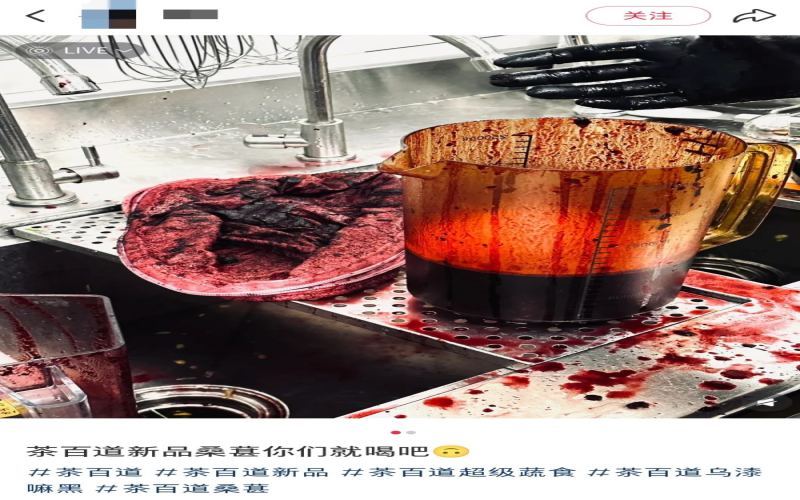
A video of mulberry juicing in the back kitchen of ChaPanda has sparked heated discussion, with employees complaining that the fresh fruit preparation process is like a horror movie scene.
The daily work life of milk tea shop employees has always been a hot topic on social media, but recently a post by a ChaPanda employee unexpectedly went viral because the kitchen scenes were too "creepy." Dark red mulberry juice covered the counter, blender, and filter bags, and combined with the scene of black gloves squeezing the juice, many netizens said it looked like a horror movie. It is understood that these scenes come from ChaPanda's daily operation of freshly squeezing mulberry juice when preparing ingredients for products such as "Wu Qi Ma Hei" and "Triple Berry Goodnight Cup." Because mulberries are high in anthocyanins and have a deep color, the juicing process is not only time-consuming and labor-intensive, but also very likely to stain clothes and the work area. Employees have complained one after another on social media, and even turned these scenes into jokes such as the "ChaPanda Mulberry Man-Eating Incident" to share, triggering a lot of resonance. [more…]
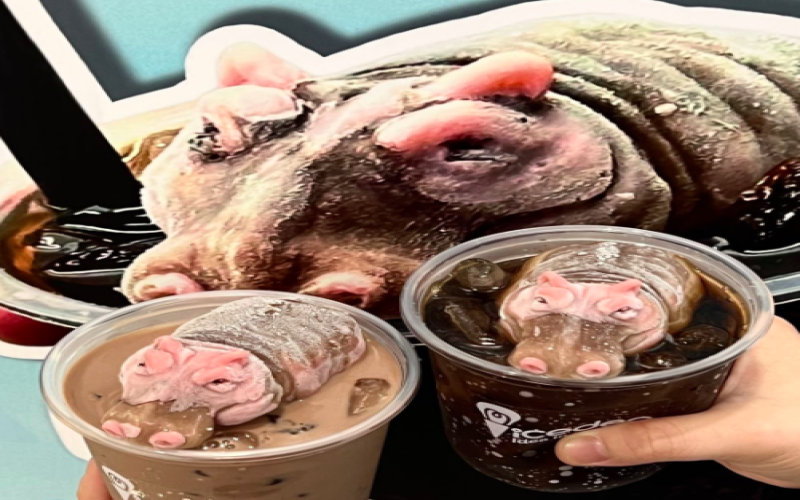
Thailand's Moo Deng coffee goes viral online: top star baby hippo Moo Deng becomes ice cream decoration, sparking heated discussion
Recently, a drink called "Hippo Coffee" has gone viral on social media, with many netizens traveling to Thailand specifically to check it out. This cup of coffee, priced at 99 Thai baht (about 21 RMB), doesn't taste particularly special compared to regular coffee—its highlight is a lifelike hippo-shaped ice cream lying on the surface of the liquid. This hippo isn't just a randomly designed cartoon figure; it's modeled after the hugely popular baby pygmy hippo "Moo Deng" (Bouncy Pig) at Thailand's Khao Kheow Open Zoo. However, this highly realistic hippo soaking in dark brown coffee has also led many netizens to exclaim that they "can't bear to take a bite." This article takes you behind the story of how this hippo coffee became a hit. [more…]
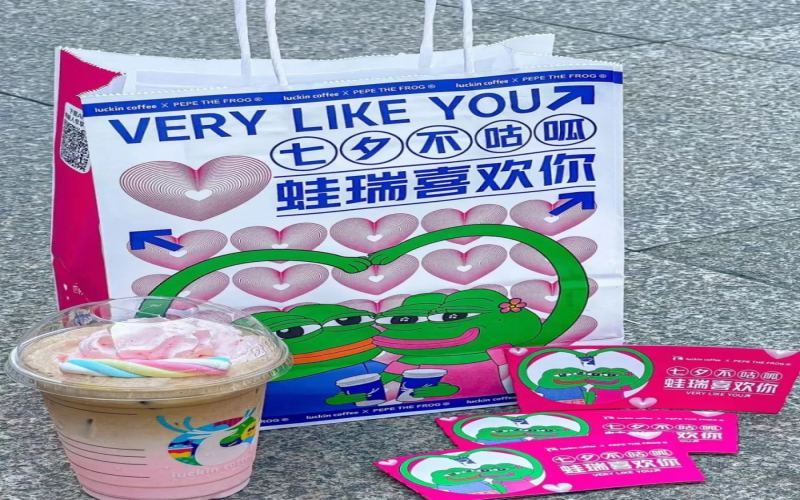
Luckin Coffee Plays Reverse Marketing for Valentine's Day: How the Line Puppy Collaboration and Thorny Rose Latte Win Over Young Singles
Valentine's Day has always been a prime battlefield for brands' sweet marketing campaigns, but Luckin Coffee has taken a different path, turning Valentine's Day into something that feels more like "Singles' Day." From last year's Qixi collaboration with the Lonely Frog to this year's partnership with the Line Puppy to launch the Thorned Rose Latte and Lovesick Red Bean Latte, Luckin continues to engage young people with self-deprecating humor. This article will take a deep dive into the product logic behind this reverse marketing wave, the cultural memes it draws from, and why it precisely hits the psychological needs of single consumers aged 20-35. At the same time, you are also welcome to follow the Coffee Workshop official account and the Front Street Coffee WeChat ID qjcoffeex to get more professional coffee knowledge and specialty bean information. [more…]
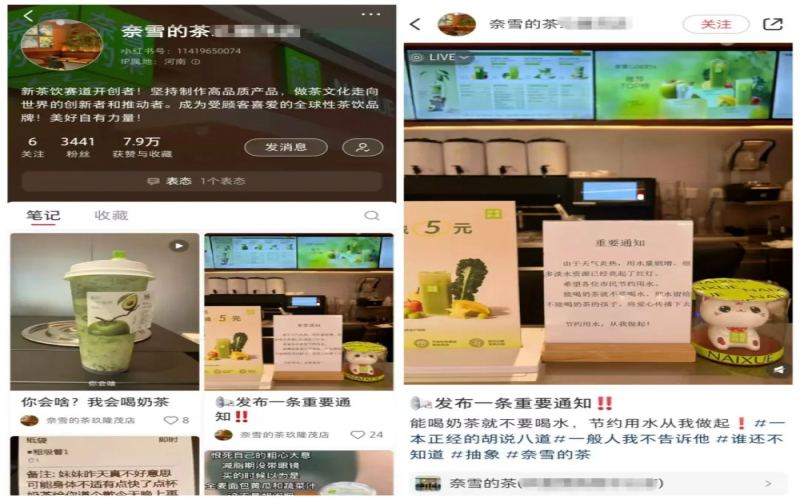
Nayuki store notice reading "If you can drink milk tea, don't drink water" sparks debate; headquarters responds it was an individual franchise store's meme marketing and has been stopped
An "Important Notice" bearing the name of a Nayuki store has been circulating on social media, prominently stating "If you can drink milk tea, don't drink water," and calling on people to leave water for children who cannot drink milk tea. The store claimed this was imitating an internet meme, meant only as a joke, but with the black-and-white A4 paper sitting on the counter, many consumers felt it had gone beyond a joke and could easily mislead the public. As the topic trended on social media, Nayuki's headquarters responded that it was the action of an individual franchise store and had ordered the removal of the related content. Why do meme-based marketing campaigns frequently backfire? And where exactly lies the management boundary between brands and franchise stores? [more…]

Starbucks leverages netizen puns for marketing comeback, Luckin misses opportunity due to note display issue
Contemporary netizens have mastered the use of homophonic puns to perfection. From personalized name notes on online orders to trending topics on social platforms, Starbucks cleverly capitalized on netizens' creativity, turning an ordinary cup of coffee into something full of wit and fun, and in doing so, regained some ground in its competition with Luckin. Luckin, however, missed out on this wave of traffic dividends due to incomplete display of recipient notes. This article will review the viral process of Starbucks' homophonic pun campaign, trace the evolution of homophonic culture from ancient times to the present, and analyze the short life cycle of internet buzzwords, while also bringing coffee lovers relevant news about Front Street Coffee. [more…]
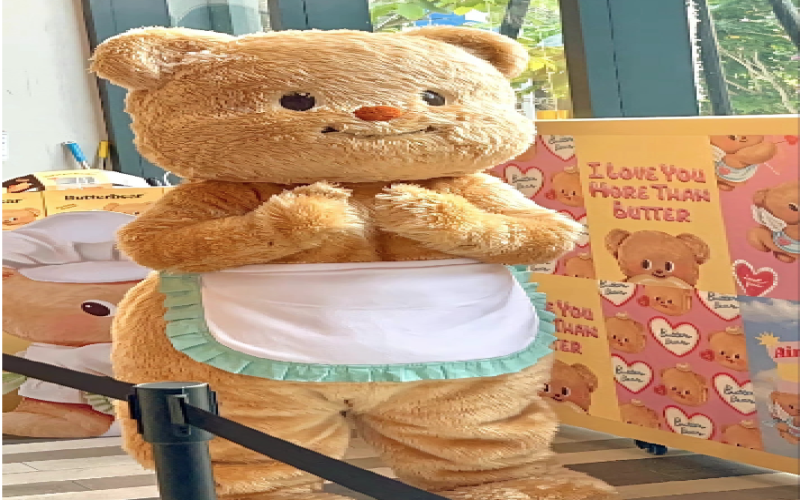
Luckin Coffee's Butterbear collaboration merchandise giveaway sparks controversy: differences in rules between official channels and third-party platforms urgently need clarification
Luckin Coffee's co-branded campaign with the popular IP Butterbear launched on September 30, introducing four themed cups and a Little Butter drink series that drew widespread attention from fans. However, after the campaign began, many consumers reported that orders placed through third-party platforms such as Ele.me did not come with the co-branded stickers, which was inconsistent with the official promotion's promise of "free with any 2 cups." Customer service responded that peripherals could only be obtained by ordering through the Luckin App or mini-program, prompting consumer questions about the lack of transparency in channel rules. The incident reflects the problem of inconsistent messaging in brands' multi-platform marketing and serves as a reminder that consumers should carefully confirm giveaway conditions before placing orders. [more…]
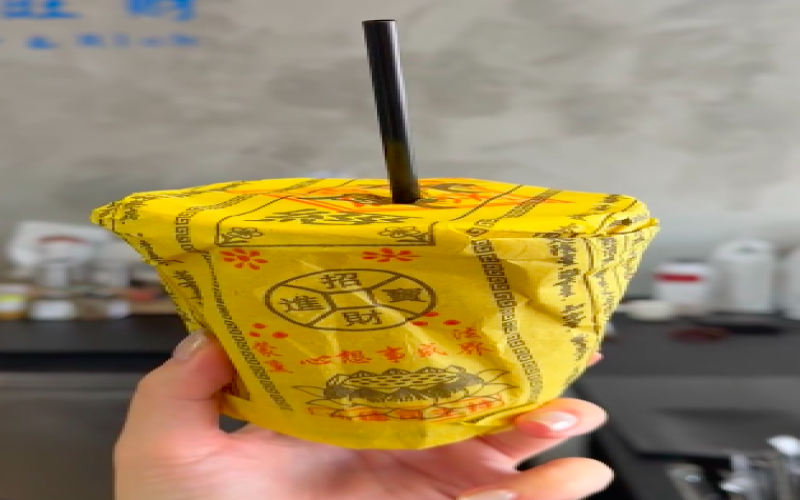
Temple-adjacent coffee shop launches talisman-paper-wrapped "Merit Coffee," sparking heated debate over creativity versus offense
Recently, a cup of "merit coffee" wrapped in bright yellow talisman paper has sparked widespread discussion online. This coffee shop, located near a temple, uses talisman paper handwritten daily by monks for its drink packaging, and donates a portion of the proceeds to the temple for every cup sold. Supporters see it as highly creative and emotionally resonant, while opponents worry that it commercializes religion and shows disrespect for faith. In recent years, young people have been enthusiastic about burning incense and making wishes, and businesses have seized on concepts like "merit" and "go with the flow" to attract attention. But the combination of trendy drinks and religion has repeatedly pushed against the boundaries of controversy. This article sorts out the sequence of events and explores whether this kind of marketing can retain customers in the long run. [more…]
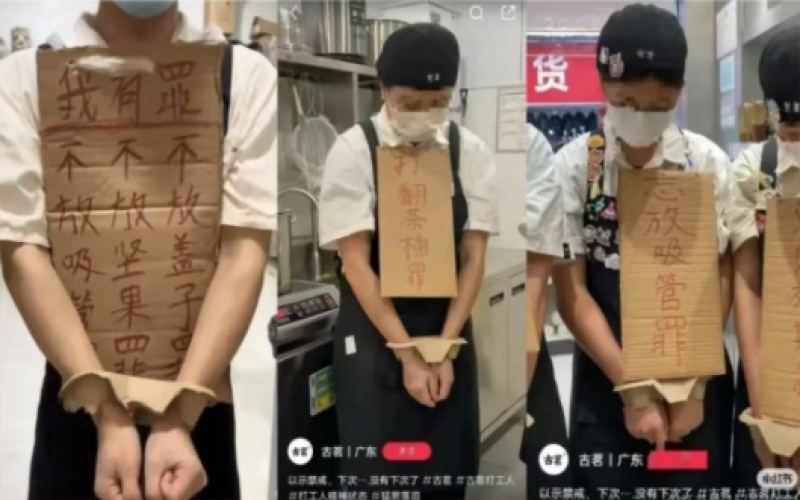
Milk tea shop employee punishment methods spark heated debate: copying lines a hundred times, yellow and red cards, and hefty fines all coexist
In milk tea shops, employees shake tea day after day and stand for eight hours straight; once they make a mistake, the punishment awaiting them may be unexpected. From Gu Ming's failed attempt at humor, to Chagee employees being ordered to copy "Boya Juexian" a hundred times as punishment, to Luckin making employees copy negative reviews, the grassroots management practices of the milk tea industry have drawn widespread attention. Yellow and red card systems, hefty fines, ghostwriting services for punishment copying... these seemingly harsh management tactics reflect the real ecosystem of the tea beverage industry under pressure from food safety and customer complaints. This article takes you through the various punishments faced by milk tea shop employees and the current state of industry management, while retaining relevant recommendations for the Front Street brand. [more…]